
The School’s Impact case studies curate the research the School has done in a particular area into a coherent narrative. Case studies highlight why the research is useful and the real world impact its having including policy implications and other dissemination outputs. Read our latest Impact case studies below:
-

Impact case study – Working in partnership with a peer researcher team to produce our public mental health research
Background Co-production can be described as groups of people getting together to influence the way that research is designed, delivered and communicated. These groups may include researchers, practitioners and members of the public. Peer researchers use their lived experience and understanding of an issue to help generate information about others…
-

Impact case study – Raising awareness of inequalities in COVID-19
Background In December 2019, the COVID-19 pandemic quickly spread around the world. In 2020, the NIHR SPHR funded Health Inequalities research team responded to the NIHR’s call to respond to the pandemic by adapting the focus of the planned research to focus on the new pandemic. Along…
-

Impact case study – The impact of reducing the cost to access local authority leisure facilities in the North West of England on health inequalities
Background A lack of physical activity can affect people’s health and wellbeing, for example, it can help to explain why some people develop illnesses such as cancer, diabetes and heart disease. However, the cost of using leisure centres to be physically active may be a particular barrier for people living…
-

Impact case study – Supporting local authorities to make planning decisions that promote better health and reduce inequalities: hot food takeaways
Background Our food environment is described as the physical, economic, policy and socio-cultural conditions that influence the food we eat. For example, many people find it challenging to eat healthily because they are living in less healthy neighbourhood food environments. Neighbourhoods with lots of unhealthy food options, like those generally…
-
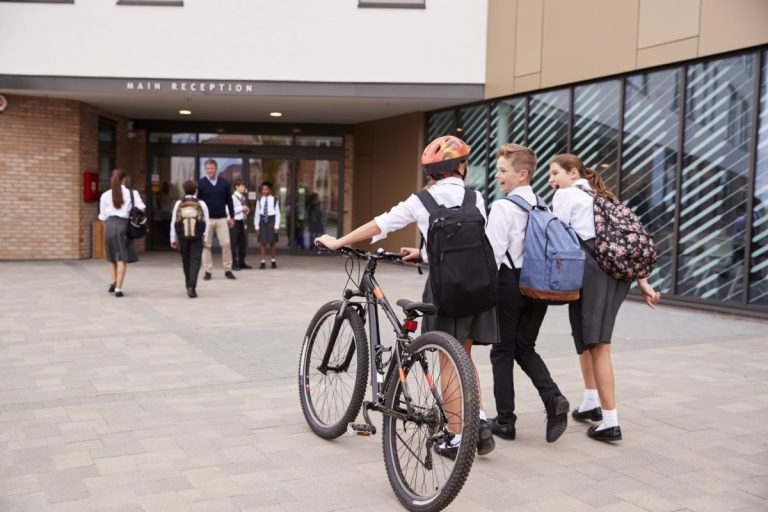
Impact case study – Schoolchildren who switch to walking or cycling may have a healthier body weight
Children who walk or cycle to school may have a healthier body weight than those who arrive by car. A study followed more than 8,000 schoolchildren over a period of years. The findings showed that even using public transport instead of taking the car led to a reduction in body…
-

Impact case study – Alcohol research: Drink Less app
The SPHR project ‘Optimising the alcohol reduction app, Drink Less‘ was a collaboration between researchers from University College London, University of Bristol, Fuse, LiLaC and colleagues at Public Health England. This project is an excellent example of how our research has had ongoing impact both in relation to policy…
-

Impact case study – Sex and relationship education (SRE)
The SPHR project ‘Implementing evidence-based best practice criteria in sex and relationship education‘ within our Children, Young People and Families research programme is an excellent example of how our public health research has had local, national and international impact. The project was led by SPHR academics at the…
-
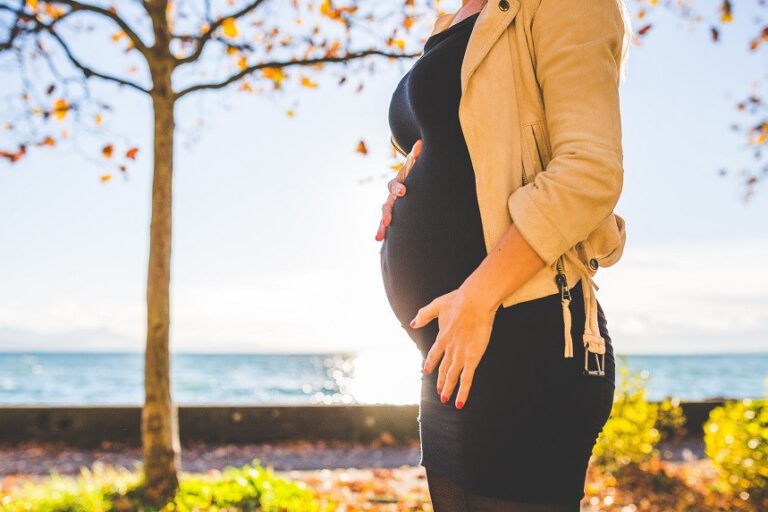
Impact case study – Helping mums-to-be quit smoking in the North East
The number of women who smoke during pregnancy is higher in the North East than elsewhere in England. Smoking during pregnancy has a significant impact on women’s and babies’ health, including increased risk of premature births, stillbirths, miscarriages, low birthweight and complications after labour. The NIHR School for Public Health…
-

Impact case study – Influencing alcohol policy across England
In England councils decide how alcohol policy will be implemented in their local areas, which provides councils with the opportunity to tailor its approach to suit local needs. As a result, this has led to variations in how alcohol policy is put in to practice across the country. In 2013,…
Page 2 of 2